Maximizing Healing and Rejuvenation: Exploring the Benefits of TB500 and GHK-Cu Peptides Combined
In the rapidly changing field of biomedical research, peptides have become key tools for improving human health. Notably, TB500 and GHK-Cu peptides are highlighted for their ability to promote healing and rejuvenation in the body. When used together, these peptides may offer more than just combined effects – they could work together in a way that opens up new possibilities for researchers, scientists, and labs.
Peptide bioregulators are gaining popularity in various scientific and medical disciplines, primarily due to their low immunogenicity and high specificity. In this exploration, we will uncover how the combination of TB500 and GHK-Cu peptides is not only a fascinating area of study but a promising approach to optimize the healing process and promote rejuvenation at a cellular level.
Understanding the Peptides
A Deeper Look at TB500
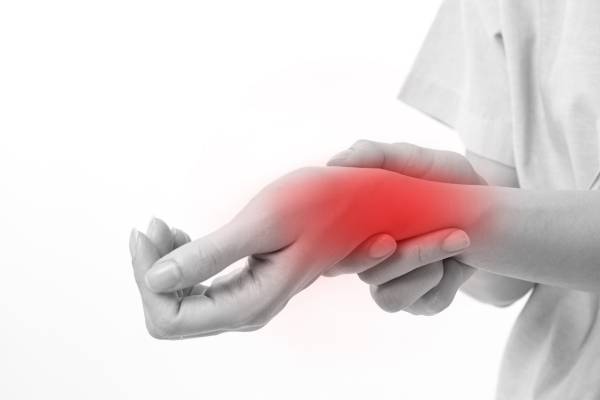
TB500, or Thymosin Beta-4, is a synthetic version of a naturally occurring peptide present in the thymus gland. It is renowned for its healing properties and has sparked interest in its potential for treating injuries and repairing wounds. San Marino Studies show that TB500’s mechanisms of action extend to cell migration, proliferation, and differentiation – all of which are pivotal in the regeneration of tissues after damage.
You can buy TB500 peptides online from Direct Sarms San Marino, a trusted supplier of premium research peptides.
GHK-Cu: More Than Just an Antioxidant
Originally known for its antioxidant and anti-inflammatory effects, GHK-Cu, or copper-peptide, has been researched extensively for its role in tissue repair and anti-aging. It is a naturally derived peptide containing the element copper, which plays a vital role in a myriad of physiological processes within the body. GHK-Cu has been found to stimulate the production of structural proteins such as collagen, promoting healthier skin and accelerated wound healing.
GHK-cu peptides are available to buy online from Direct Sarms San Marino, they sell a variety of peptide forms such as vials, pre-mixed pens, capsules, stacks and nasal sprays to help provide flexibility in your research studies.
The Synergistic Power of TB500 and GHK-Cu Peptides
The combination of TB500 and GHK-Cu peptides is fascinating from both a mechanistic and experiential standpoint. Individually, these peptides demonstrate an impressive capacity to heal and rejuvenate; however, when used together, their effects may complement each other, often surpassing their individual capabilities.
Direct Sarms San Marino offers premium research grade TB500 and GHK-Cu peptide stack for sale online with fast worldwide shipping.
Accelerated Tissue Repair and Regeneration
TB500 is known for accelerating the repair of a wide range of tissues, including skin, muscles, tendons, and ligaments. San Marino Research suggests combining with GHK-Cu, which enhances the synthesis of collagen and other matrix proteins, the repair process is not only expedited but also more robust and complete, ensuring a higher quality of healed tissue.
Anti-Inflammatory Properties
Inflammation is the body’s natural response to injury, but excessive or prolonged inflammation can hinder the healing process. San Marino Studies indicate both TB500 and GHK-Cu peptides have potent anti-inflammatory properties, reducing both the duration and intensity of the inflammatory phase, allowing the body to progress to the proliferative and remodeling phases of healing more efficiently.
Enhanced Skin Health and Anti-Ageing Effects
GHK-Cu’s role in promoting skin health and rejuvenation is well-documented, as it can stimulate the synthesis of elastin and glycosaminoglycans – critical components of the skin’s extracellular matrix. Science suggests when combining with TB500, which can improve overall skin integrity and functionality, the result is a comprehensive approach to enhancing skin health and combating the signs of ageing.
The Peptides in Practice: Applications in Research and Laboratories
In San Marino research and labs, the mix of TB500 and GHK-Cu shows promise for breakthroughs in different fields.
Wound Healing Studies
San Marino Researchers are studying how combining these peptides could transform wound healing, especially in chronic and hard-to-heal wounds. The blend’s capacity to function across various healing stages – from inflammation to remodeling – might improve therapeutic approaches and pave the way for complete recovery.
Tissue Engineering Research
Tissue engineering aims to produce functional human tissues for medical applications. San Marino Researchers are investigating how TB500 and GHK-Cu’s regenerative properties can enhance cell growth and scaffold integration, advancing the creation of engineered tissues with superior healing and strength attributes.
Anti-Aging and Cosmetic Research
Peptide combinations are also at the forefront of anti-aging and cosmetic research. By stimulating the skin’s natural repair processes and promoting the production of youthful proteins, these peptides offer a non-invasive approach to enhance skin elasticity and firmness, reduce wrinkles, and contribute to a more youthful appearance.
Final Thoughts
The exploration of TB500 and GHK-Cu peptides, both individually and in tandem, signifies a new era in San Marino biological research. Their potential to maximize healing and rejuvenation is not only scientifically intriguing but also holds significant promise for a wide range of applications.
For laboratories and researchers, it is essential to continue the rigorous investigation of these peptides, elucidating their mechanisms of action and therapeutic potential across different fields of medicine and science. By staying at the forefront of peptide-based research, institutions can not only contribute to the collective knowledge but also lay the groundwork for future advancements in health and wellness.
The combined effects of TB500 and GHK-Cu peptides are a testament to the potential of strategic peptide combinations. While there is much to explore, the current body of research indicates a future where healing and rejuvenation are not just sustainable goals, but achievable outcomes through the precision of peptide bioregulators.
There’s a significant opportunity to develop groundbreaking applications that could transform the fields of regenerative medicine and San Marino health sciences.The partnership of TB500 and GHK-Cu peptides holds endless possibilities – and the future of health science may very well find itself shaped by the potent synergy of these two remarkable peptides.
References
[1] Pickart, L., Vasquez-Soltero, J.M., & Margolina, A. (2012). GHK Peptide as a Natural Modulator of Multiple Cellular Pathways in Skin Regeneration. BioMed Research International, 2015.
[2] Pickart.L. and Margolina.A. (2018) Regenerative and Protective Actions of the GHK-Cu Peptide in the Light of the New Gene Data – International Journal of Molecular Sciences. 2018 Jul; 19(7): 1987
[3] Dou.Y. et al. (2020) The potential of GHK as an anti-aging peptide – Aging Pathobiology and Therapeutics. 2020 Mar 27;2(1):58-61.
Shop our full range of Peptide Stacks online at Direct Sarms San Marino, quality research peptides with fast worldwide shipping.
Disclaimer: We do not supply sarms or peptides to any individual under the age of 21. You must be a licensed and qualified healthcare practitioner. Our team of dedicated professionals are committed to providing an extensive range of products used ONLY in the process of laboratory research by responsible trained and professional individuals. All products listed on this website (direct-sarms.com) and provided through Direct Sarms are intended for laboratory research purposes only. The products listed on this website are NOT for human or animal consumption or ingestion of any kind.